Tofino
Traditional Name: Načiks / Clayoquot Sound (nah-chiks / klaw-oh-kwee)
Tofino is where the Pacific refuses to be polite. Surfers and storm-watchers, old-growth rainforests and remote hot springs — Canada's wild west coast at its most dramatic.
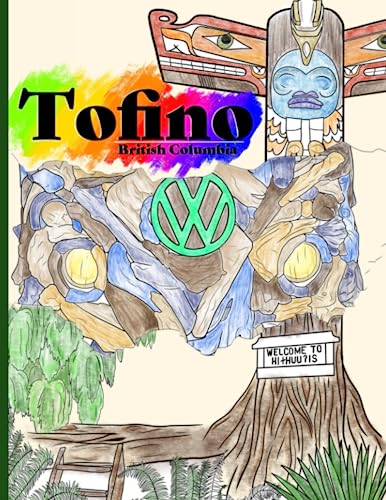
Perched on the edge of Clayoquot Sound on the west coast of Vancouver Island, Tofino has a quality that's hard to put into words. The mist that rolls in off the Pacific at dawn. The way the Sitka spruce leans permanently inland, sculpted by decades of ocean wind. The unhurried rhythm of a town that still closes early when the surf is good. Tofino is one of those rare places that gets under your skin.
The town sits within the traditional territory of the Tla-o-qui-aht First Nations, who have called Clayoquot Sound home for thousands of years. Their history is woven into every place name: Opitsaht village on Meares Island, the sacred beaches along the sound, the hot springs at Sydney Inlet that served as gathering places long before any road was built. The Tla-o-qui-aht famously stood in the path of logging machines in the 1980s to protect the ancient cedars of Meares Island — a stand that sparked the environmental movement that saved the old-growth forests of Clayoquot Sound.
Today Tofino draws surfers chasing Pacific rollers at Cox Bay, families walking Chesterman Beach at sunset, and anyone who's ever needed a week of dramatic ocean views and fresh crab. Every illustration in the Inklands Tofino coloring book was drawn from real locations here — from the twisted Sitka spruce along Tonquin Beach to the cedar giants of Meares Island's Big Tree Trail.
Tofino sits within Tla-o-qui-aht (klaw-oh-kwee-awt) traditional territory — Clayoquot Sound. The Tla-o-qui-aht have practiced whaling, cedar harvesting, and salmon fishing here for over 4,000 years. In 1993, they helped lead the "War in the Woods" blockades that ultimately resulted in Clayoquot Sound being designated a UNESCO Biosphere Reserve.
We acknowledge the Tla-o-qui-aht First Nations and all Indigenous peoples whose territories we explore.
Places you'll color
Every illustration in the Inklands Tofino book depicts a real location below. Color the places, then go visit them.
Cox Bay
Tofino's premier surf break with rolling Pacific swells and dramatic black sand shoreline.
Did you know? Cox Bay was named after early settler Bill Cox, who ran a small boat rental business here in the 1940s.
Chesterman Beach
A sweeping crescent beach beloved by surfers, walkers, and sunset chasers year-round.
Did you know? Chesterman Beach is one of the longest beaches on Vancouver Island — perfect for long walks at low tide.
Meares Island
Home to the ancient Big Tree Trail with some of the oldest cedars on the coast.
Did you know? The largest tree on Meares Island is over 1,000 years old and 16 feet in diameter.
Hot Springs Cove
Remote geothermal hot pools heated by volcanic activity, accessible by water taxi.
Did you know? The hot springs have been a gathering place for thousands of years — the water can reach 140°F!
Tonquin Beach
A secluded beach at the end of a rainforest trail, known for its sea stacks and drift logs.
Did you know? Tonquin Beach got its name from the US ship USS Tonquin, which exploded nearby in 1811.
Color all 30 illustrations in the Tofino book
Detailed destination illustrations, high-resolution PDF — download instantly and start coloring.
When to go
Best Time to Visit
May to October for surfing and outdoor activities. Storm season (November to February) draws storm watchers seeking dramatic waves. Whale watching peaks in March and April during gray whale migration.
Travel Tip
Book accommodations well in advance during summer — Tofino fills up quickly! Consider shoulder season for fewer crowds and lower prices.
Other books
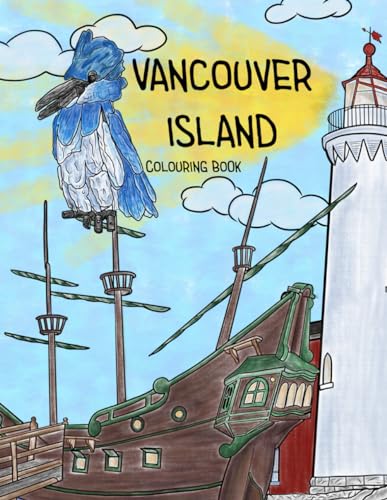
Vancouver Island
From the wild Pacific coast to ancient old-growth forests, explore Vancouver Island through 29 illustrations of its most iconic landscapes.
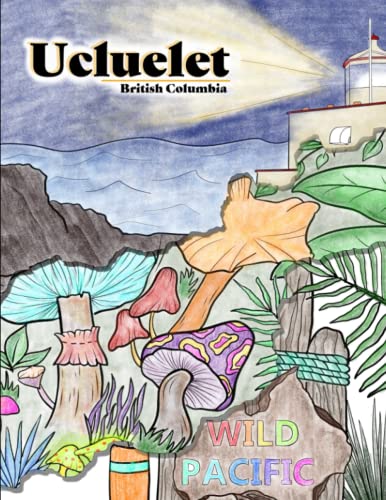
Ucluelet
Where the Wild Pacific Trail meets ancient cedar forest. Ucluelet's dramatic coastline comes alive in 30 detailed destination illustrations.
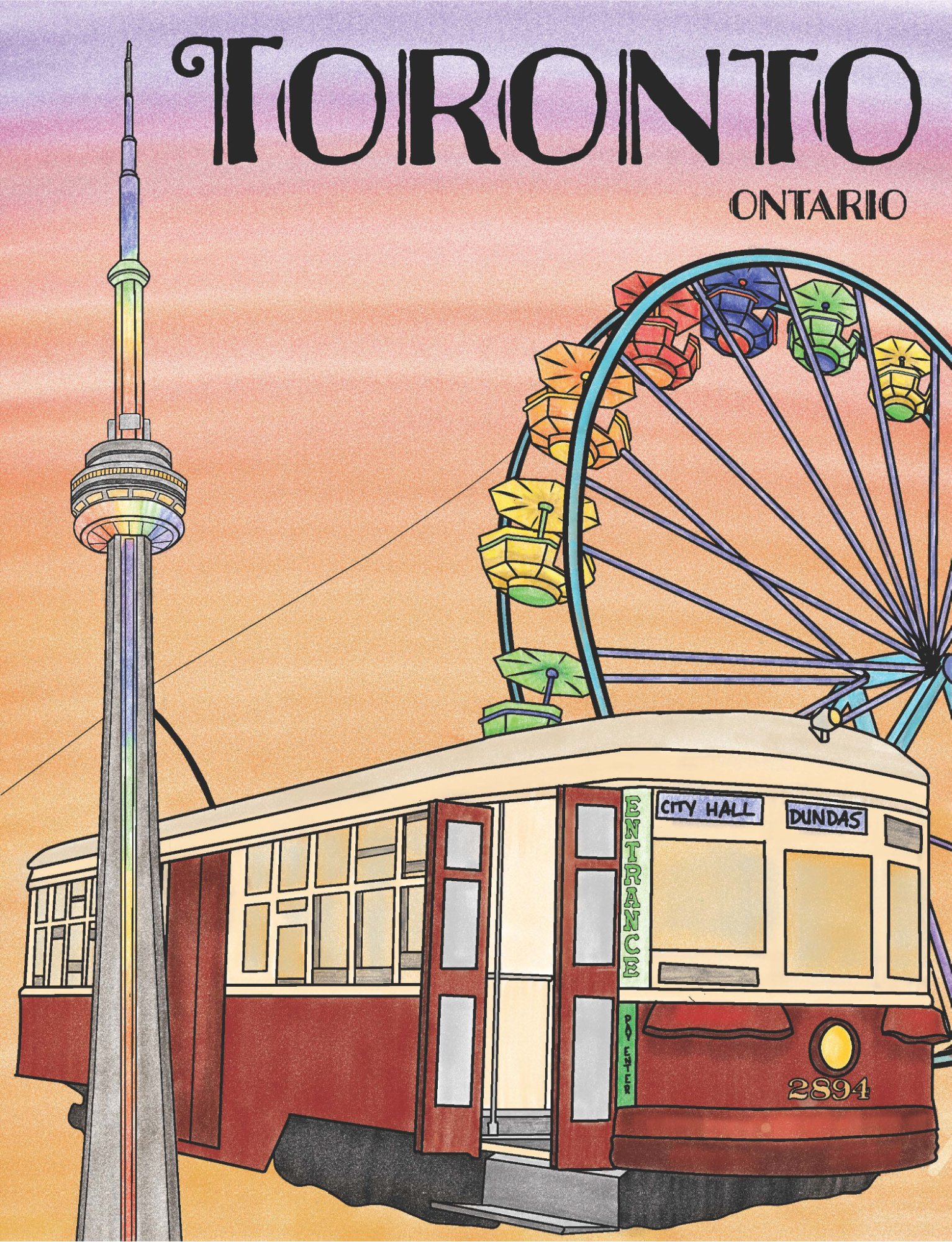
Toronto, Ontario
Canada's biggest city, illustrated. From the CN Tower to Kensington Market, discover Toronto one illustration at a time.